Introduction
Getting website visitors and generating leads is only the beginning of business growth. The real challenge is turning those visitors into qualified leads and eventually converting them into paying customers. Many businesses lose potential customers because their sales process is unclear, follow-ups are inconsistent, or their marketing messages do not match customer needs.
This is where sales funnel optimization becomes important. It helps businesses identify where potential customers drop off, improve each stage of the buying journey, and create a smoother path from initial interest to purchase.
In 2026, businesses can improve their sales funnels by combining customer-focused content, landing page improvements, lead nurturing, automation, and performance tracking. With the right strategy, companies can make better use of their existing traffic and improve the efficiency of their sales process.
In this guide, we will explain how sales funnels work, common conversion problems, practical optimization strategies, and ways businesses can use automation to improve results.
What Is Sales Funnel Optimization?
Sales funnel optimization is the process of improving each stage of the sales journey to help more potential customers move toward a purchase.
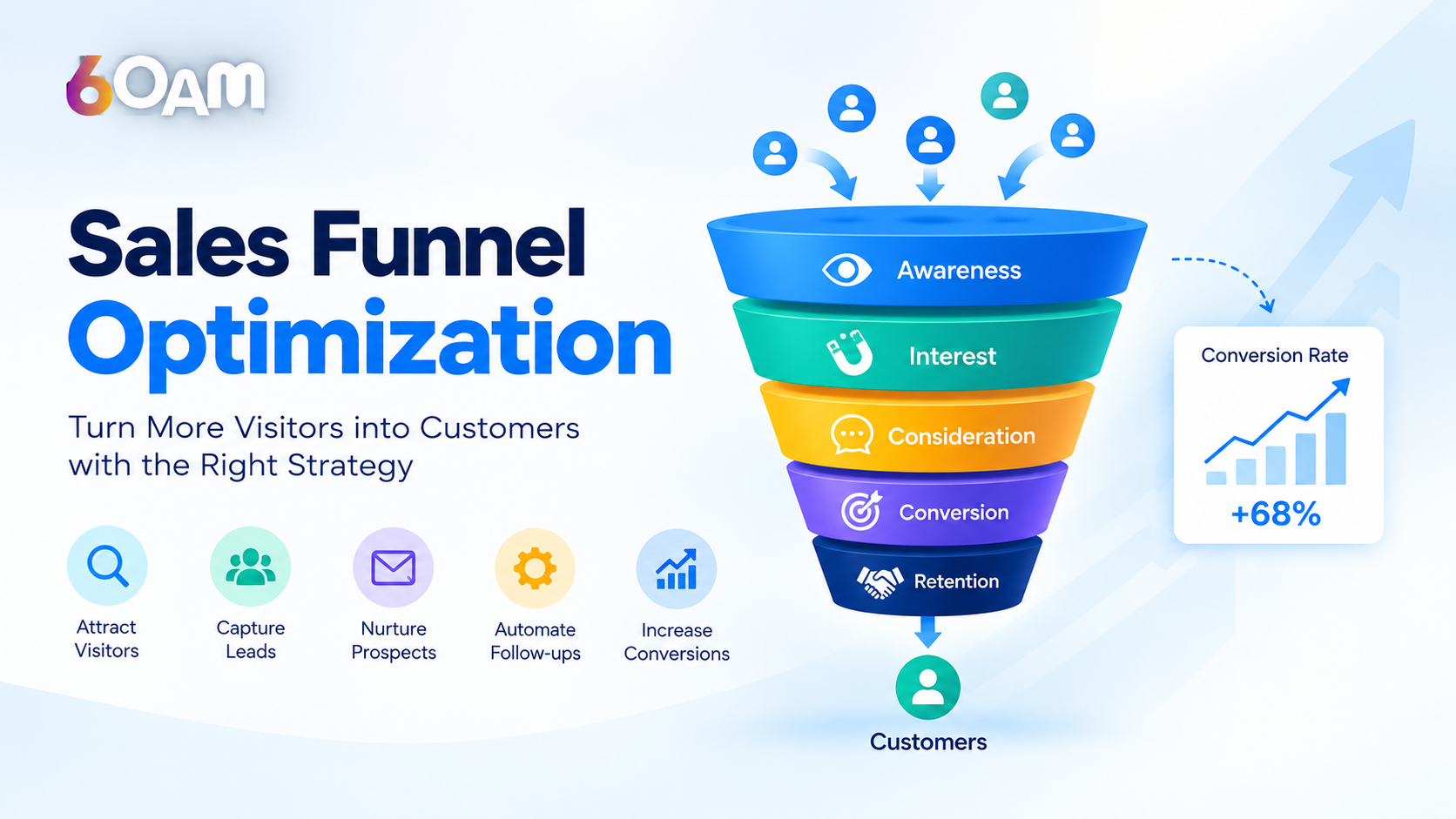
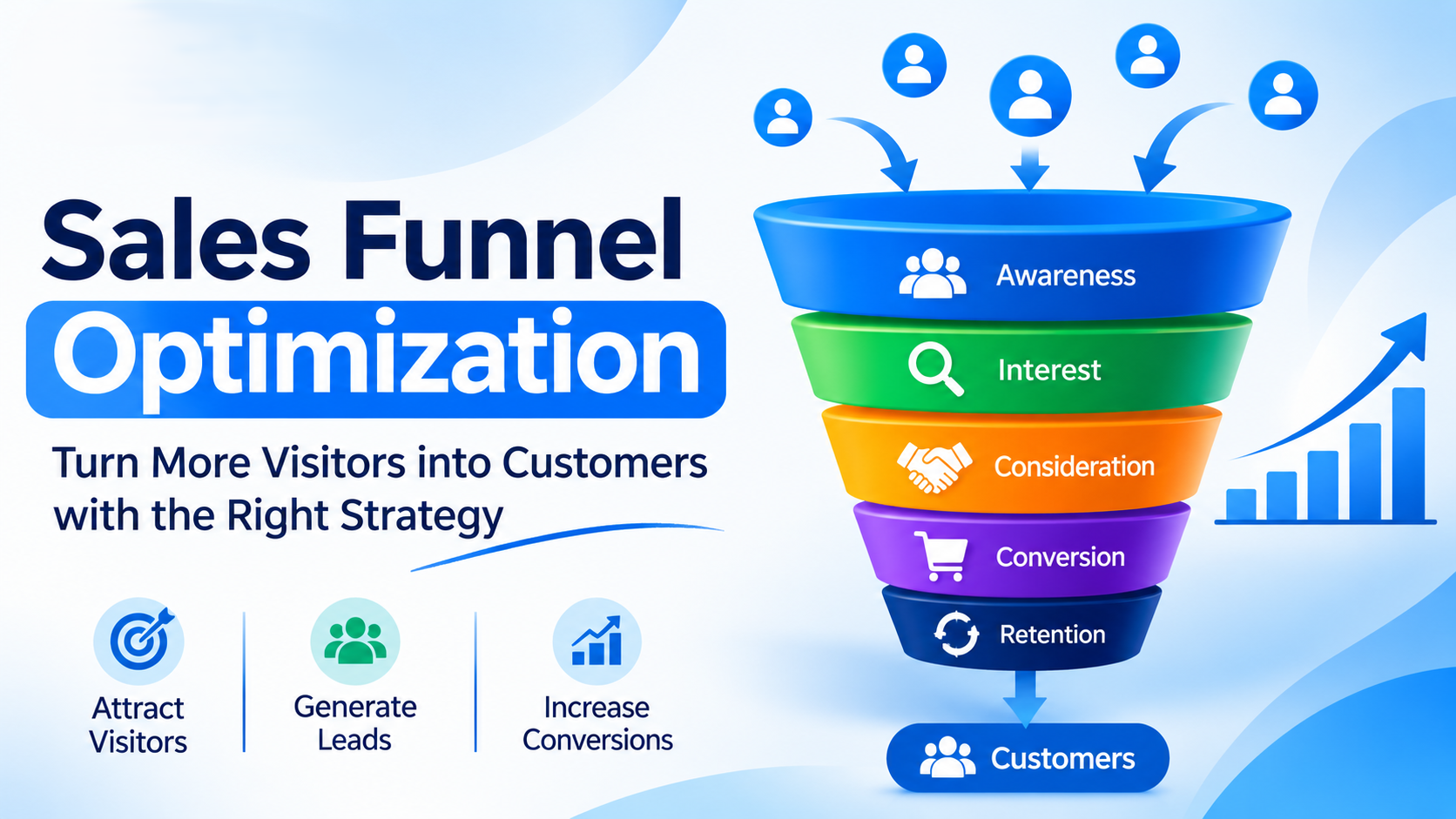
A typical sales funnel includes awareness, interest, consideration, conversion, and retention. At every stage, prospects have different questions and expectations. An effective funnel provides the right information and next step at the right time.
For example, a visitor who discovers a business through Google may need an informative landing page first. Someone who has already requested a quote may need a timely follow-up, a product demonstration, or answers to specific questions before making a decision.
The objective is not simply to generate more leads. It is to improve the quality of the customer journey and increase the percentage of prospects who become customers.
Why Do Businesses Lose Potential Customers?
Even businesses with good products and consistent website traffic can experience low conversion rates. Common reasons include:
- Unclear messaging: Visitors cannot quickly understand the product, service, or its benefits.
- Complicated forms: Too many required fields discourage prospects from submitting enquiries.
- Slow follow-ups: Interested prospects may move to a competitor if nobody responds promptly.
- Poor targeting: Ads or content attract people who are unlikely to purchase.
- Lack of trust: Missing testimonials, unclear policies, or insufficient information can create hesitation.
- No lead nurturing: Prospects who are not ready to buy immediately receive no useful follow-up.
- Limited tracking: Businesses cannot identify which funnel stages are losing the most prospects.
Identifying the main problem is the first step toward improving sales funnel performance.
What Are the Main Stages of a Sales Funnel?
1. Awareness
At this stage, potential customers discover your business through search engines, social media, paid advertisements, referrals, or other marketing channels.
Optimization tip: Use relevant keywords, clear messaging, and useful content to attract an audience that matches your ideal customer profile.
2. Interest
Visitors want to understand how your product or service can help them. They may explore service pages, read blog posts, or compare possible solutions.
Optimization tip: Explain the benefits clearly and provide helpful resources that answer common customer questions.
3. Consideration
Prospects compare providers, evaluate features, review pricing, and assess whether your business is the right fit.
Optimization tip: Provide detailed service information, case studies where available, testimonials you can substantiate, and answers to common objections.
4. Conversion
The prospect takes an important action, such as requesting a consultation, submitting a form, booking a demonstration, or making a purchase.
Optimization tip: Use a clear call to action, simplify the conversion process, and remove unnecessary steps.
5. Retention
After the purchase, customers may need onboarding, support, product education, or additional services.
Optimization tip: Continue communicating with customers, provide useful assistance, and identify appropriate opportunities for repeat business.
7 Sales Funnel Optimization Strategies to Improve Conversions
1. Understand Your Target Audience
An effective funnel begins with a clear understanding of the people you want to reach. Identify their challenges, goals, objections, and buying preferences.
Review customer enquiries, sales conversations, website analytics, and feedback to understand what matters most to your audience.
Create customer segments based on relevant factors such as industry, business size, needs, or stage of purchase. This allows you to make your content and marketing messages more relevant.
2. Improve Your Landing Pages
Your landing page should communicate one clear offer and guide visitors toward one primary action.
To improve landing page performance:
- Write a headline that communicates a specific benefit.
- Explain what the visitor will receive.
- Use a visible and descriptive call to action.
- Make forms easy to complete.
- Ensure the page works well on mobile devices.
- Improve page speed and remove distracting elements.
- Add genuine reviews or trust signals where appropriate.
Test one meaningful change at a time, such as the headline, form length, or call-to-action wording. Measure completed enquiries rather than relying only on clicks.
3. Make Lead Capture Simple
A lead capture process should request enough information to support the next step without creating unnecessary friction.
For an initial enquiry, you may only need a name, business email, and a short description of the requirement. Additional information can be collected later if necessary.
Explain what happens after a form is submitted. For example, tell visitors whether they will receive a confirmation email or be contacted by your team.
Track form views, form starts, successful submissions, and qualified leads to find where visitors are dropping off.
4. Use Sales Funnel Automation
Sales funnel automation helps businesses manage repetitive tasks throughout the customer journey. Depending on the tools being used, workflows can send confirmations, assign leads, update CRM records, trigger reminders, and notify sales teams.
For example, when a prospect submits an enquiry, an automated workflow might:
- Record the lead in a CRM.
- Send a confirmation message.
- Assign the enquiry to the appropriate team member.
- Create a follow-up task.
- Track whether the prospect responds or progresses.
Automation should support meaningful communication, not overwhelm prospects with unnecessary messages. Follow applicable consent and privacy requirements, and make it easy for recipients to manage communications.
5. Build a Consistent Lead Nurturing Process
Not every prospect is ready to purchase after the first interaction. Some need more information, while others may need time to compare their options.
Lead nurturing keeps your business relevant by providing useful, timely information based on the prospect’s interests and stage in the buying journey.
Consider sharing educational guides, service explanations, answers to common objections, relevant case studies, or invitations to a consultation.
Segment your audience and personalize messages where appropriate. Monitor replies, qualified opportunities, and conversions to understand whether your nurturing process is helping prospects move forward.
6. Track Funnel Performance
You cannot reliably optimize a sales funnel without measuring its performance.
Useful metrics include:
- Visitor-to-lead rate: The percentage of relevant visitors who become leads.
- Lead qualification rate: The percentage of leads that meet your qualification criteria.
- Lead-to-customer conversion rate: The percentage of leads that become customers.
- Cost per lead: The amount spent to generate a lead.
- Customer acquisition cost: The overall cost of acquiring a customer, calculated using a consistent cost definition.
- Stage-by-stage drop-off: The number or percentage of prospects who fail to progress between funnel stages.
- Time to conversion: How long it takes prospects to become customers.
Use analytics and CRM data together when possible. Ensure conversion tracking is configured correctly, and distinguish between raw enquiries and qualified business opportunities.
7. Test, Learn, and Improve Continuously
Sales funnel optimization is an ongoing process. Customer expectations, campaign performance, and market conditions can change over time.
Start by identifying the biggest bottleneck in your funnel. If visitors are not submitting forms, review the landing page and offer. If leads are not becoming customers, investigate lead quality, follow-up speed, sales conversations, and pricing objections.
Run controlled tests where practical and compare results over a meaningful period. Avoid changing many elements simultaneously because that makes it harder to identify which change affected performance.
Prioritize improvements based on business impact, implementation effort, and the quality of the available evidence.
How Does Sales Funnel Automation Improve Conversions?
Sales funnel automation can improve consistency across marketing and sales activities. It helps reduce manual administration, keeps lead information organized, and makes it easier to follow up with prospects at appropriate stages.
For example, a business could create a workflow for people who request a consultation. The system can record the enquiry, send a confirmation, notify a sales representative, and create a reminder if the enquiry has not been handled.
Automation also supports better visibility into the funnel. When connected systems record meaningful actions, businesses can evaluate which sources generate qualified prospects and which follow-up activities help move leads toward a purchase.
However, automation alone does not guarantee higher conversion rates. Results depend on targeting, offer quality, customer experience, follow-up relevance, and accurate measurement.
Common Sales Funnel Optimization Mistakes to Avoid
Avoid these mistakes when improving your funnel:
- Focusing on website traffic instead of qualified leads and customers.
- Using vague headlines and calls to action.
- Asking visitors to complete unnecessarily long forms.
- Sending the same messages to every prospect.
- Failing to respond to enquiries consistently.
- Measuring clicks without tracking meaningful conversions.
- Automating communication without considering relevance or consent.
- Making decisions based on too little data.
- Ignoring the customer experience after the sale.
A practical optimization process focuses on the biggest verified problem rather than adding more tools or complexity without a clear purpose.
How 6OAM Can Help With Sales Funnel Creation
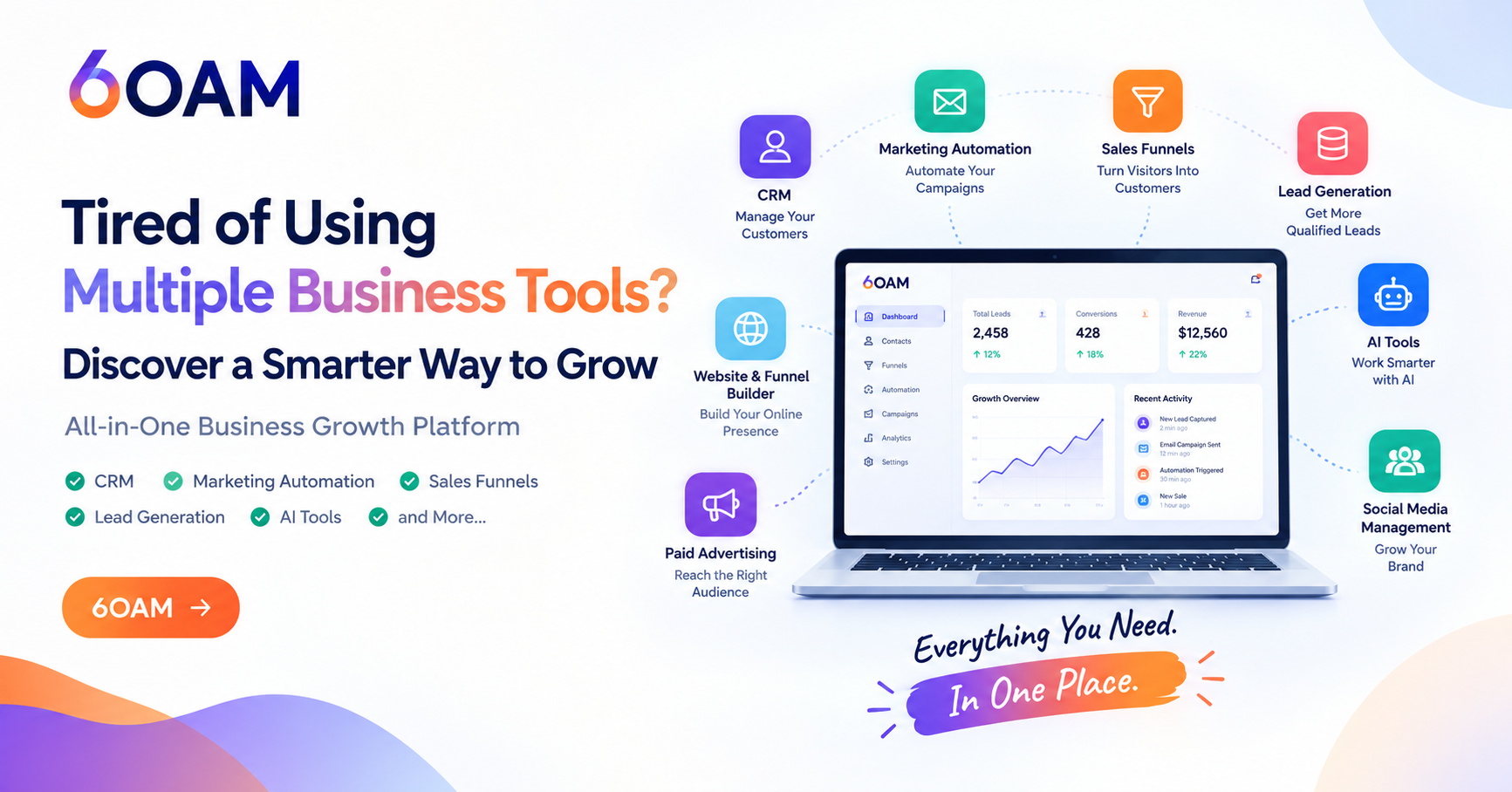
Businesses need a connected process to attract prospects, capture enquiries, nurture leads, and measure outcomes. Managing these activities across disconnected systems can make it difficult to maintain consistency and understand what is working.
6OAM offers a Sales Funnel Creation service to support businesses with their funnel needs. Businesses exploring a structured approach to sales funnels can review the service to understand how it aligns with their goals.
Learn more about 6OAM Sales Funnel Creation.
Depending on your requirements, you can also explore the Web Lead Engine for website lead generation and Marketing Automation for automation-related needs.
Before selecting a solution, identify your main bottleneck, the tools you already use, the actions you want to automate, and the results you need to measure.
Frequently Asked Questions
1. What is sales funnel optimization?
Sales funnel optimization is the process of improving each stage of the customer journey to help more prospects become qualified leads and paying customers.
2. How can I optimize my sales funnel?
Start by understanding your target audience, improving landing pages, simplifying lead capture, strengthening follow-ups, nurturing prospects, and measuring conversion rates at every stage.
3. What is a good sales funnel conversion rate?
There is no single conversion rate that is ideal for every business. Results vary by industry, traffic source, offer, price, audience, and the conversion event being measured. Compare performance with your own historical data and relevant industry benchmarks.
4. How does sales funnel automation work?
Sales funnel automation uses software workflows to handle tasks such as lead recording, confirmation messages, lead assignment, reminders, and follow-ups. The exact workflow depends on the tools and business process.
5. What is the difference between a sales funnel and a marketing funnel?
A marketing funnel generally focuses on attracting and engaging potential customers, while a sales funnel emphasizes moving prospects through qualification, evaluation, and purchase. In practice, the two funnels overlap and work best when marketing and sales activities are aligned.
6. Can small businesses benefit from sales funnel optimization?
Yes. Small businesses can benefit by simplifying their enquiry process, prioritizing qualified leads, responding consistently, and tracking which marketing activities generate customers.
7. How often should a sales funnel be optimized?
Review funnel performance regularly and investigate significant changes in conversion rates, lead quality, or customer acquisition costs. The right review frequency depends on traffic volume and how quickly enough reliable data becomes available.
Conclusion
Sales funnel optimization helps businesses understand how prospects move from initial awareness to becoming customers. By improving landing pages, simplifying lead capture, strengthening lead nurturing, using automation thoughtfully, and tracking meaningful metrics, businesses can make their sales process more effective.
The best approach is to identify the largest obstacle in your current funnel, test a focused improvement, and measure its impact on qualified leads and sales.
If you want to explore ways to structure your business funnel, visit 6OAM Sales Funnel Creation and learn how its service may fit your requirements.
Contact 6OAM
- Location: Delhi NCR
- Phone: +91 9429693950
- Email: au@6oam.com